2026-10-14
How to Rent Out a Warehouse in the Netherlands (2026 Guide)
Setting the rent, VAT on the lease, the ROZ terms, tenant checks and energy labels: what owners need to know before they let a warehouse.
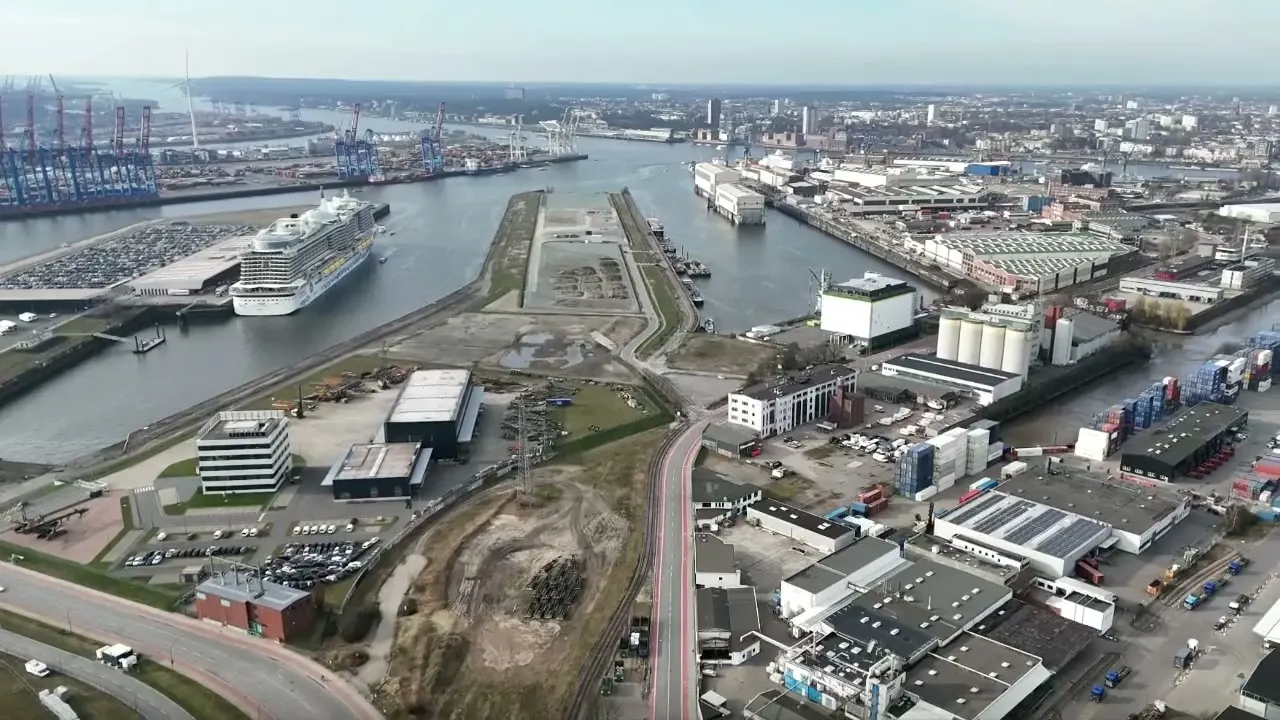
How do you sell a warehouse in the Netherlands? Decide which buyer you are selling to, set a price that buyer can justify, prepare the documents they will check, and negotiate the conditions as carefully as the price. This guide covers each step for owners of warehouses and light-industrial buildings from 500 m², with the costs and tax points a seller should know in 2026.
Owner-occupiers buy vacant buildings to run their own operation from, and are most active for units up to about 5,000 m². Investors buy let buildings for their income, from private investors buying a single unit to funds buying portfolios. Investment volumes are lower than a year ago: Cushman & Wakefield counts about €772 million of Dutch industrial and logistics investment in the first half of 2026, against €980 million a year earlier. Investors still buy, but they are selective: according to Knight Frank, vacancy is concentrated in older stock that no longer meets occupiers’ requirements, while modern, well-located buildings keep both their tenants and their value.
An owner-occupier compares your building with others for sale, and with what leasing would cost. Location, size, condition, clear height, docks, the land (freehold or ground lease, erfpacht), zoning and energy performance drive the price per m². A building that needs work sells at a discount that reflects what the buyer will have to spend.
An investor values the rent. The price is roughly the net annual rent divided by the yield the investor requires. For a warehouse with a net rent of €400,000 a year:
| Yield the investor requires | Indicative value |
|---|---|
| 5.5% | €7.3 million |
| 6.5% | €6.2 million |
| 7.5% | €5.3 million |
One percentage point of yield is worth about a million euros here. What moves the yield: the remaining lease term, the strength of the tenant, the location, the quality and sustainability of the building, and how the rent compares with the market. For reference, Knight Frank puts the prime net initial yield for top-tier Dutch logistics at around 4.60% in 2025, with second-tier locations about half a percentage point higher. Smaller, older or shorter-let buildings trade at higher yields than that.
If you own the building you operate from, you can sell it to an investor and sign a lease to stay. That releases capital for your business without moving. Investors pay most for a long lease, often ten years or more, at a market rent, with a financially strong tenant. There is a trade-off: a higher rent raises the price you receive, but also your costs for the years ahead. Agree the lease and the price together, because they are two sides of the same deal.
If the building is let, the lease passes to the buyer: under Dutch law a sale does not end a lease (article 7:226 of the Civil Code). Buyers will want to see it, so have the lease, any side letters and the rent history ready.
| Cost | Who pays | What to expect |
|---|---|---|
| Agent fee | Seller | Usually a percentage of the price, agreed up front. With us: no sale, no fee. |
| Releasing your mortgage | Seller | The notary’s fee to cancel the mortgage registration. |
| Energy label | Seller | Usually required when you sell a utility building; some buildings, such as factory halls, are exempt. |
| Reports buyers ask for | Seller, usually | Soil survey, asbestos inventory for buildings from before 1994, technical survey. |
| Transfer tax | Buyer, normally | 10.4% on existing commercial property in 2026. |
| VAT | Buyer | 21% on a new building sold within two years of first use; transfer tax then normally does not apply. |
| Tax on your gain | Seller | Corporate or income tax on the gain over book value, unless you defer it (see below). |
If your company sells the building for more than its book value, the gain is taxable. If the company intends to reinvest, it can usually place the gain in a reinvestment reserve (herinvesteringsreserve) and defer the tax. The reinvestment must in principle follow within three years, and for a building the new asset generally has to fulfil the same economic function in the business. The intention to reinvest must be documented at the time, so get advice before you sign.
If you reclaimed VAT when you bought or built the warehouse within the last ten years, a VAT-exempt sale can mean paying part of it back. Where the buyer uses the building at least 90% for VAT-taxed activities, seller and buyer can opt for a VAT-taxed sale instead.
Not sure whether to sell at all? Letting the building keeps the asset and brings in income; read our guide to renting out a warehouse to compare.
Selling a warehouse?Sell your warehouse with Staal Real EstateWe find the right buyer, owner-occupier or investor, and negotiate price and conditions on your side. No sale, no fee.The buyer, normally. Transfer tax on existing commercial property is 10.4% in 2026. A new building sold within two years of first use carries 21% VAT instead, and transfer tax then normally does not apply.
Usually, yes: the gain over book value is taxed as profit. A company that intends to reinvest can usually defer the tax by forming a reinvestment reserve (herinvesteringsreserve) and reinvesting, in principle within three years. Ask your tax adviser before you sign.
Yes. The lease passes to the buyer, because under Dutch law a sale does not end a lease. A let warehouse sells mainly to investors, who price it on the rent, the remaining lease term and the tenant.
Finding a buyer and agreeing terms usually takes a few months, depending on the building and the pool of buyers. From agreed terms to transfer at the notary commonly takes another two to four months.
It can be when you want to free up capital and stay in the building for the long term. You receive the sale price but pay rent for the years ahead, so it works best when the released capital has a clear use and the lease terms are fair.
Two short steps, under a minute. I’ll come back to you personally, usually within a few hours.
Step 1 of 2 · What you need
I’ll review it and come back to you, usually within a few hours and always within one business day. Questions in the meantime? Call me on +31 6 59 12 91 27.
Setting the rent, VAT on the lease, the ROZ terms, tenant checks and energy labels: what owners need to know before they let a warehouse.
What it really costs to buy a warehouse in the Netherlands in 2026: 10.4% transfer tax, VAT on new buildings, notary, due diligence and the costs of owning.
What to check before buying a warehouse in the Netherlands: title, ground lease, zoning, soil and asbestos, building condition, fire safety and grid capacity.