2026-09-24
Warehouse Due Diligence in the Netherlands: A Buyer’s Checklist
By Tex Staal · Founder & Advisor, Staal Real Estate
TL;DR- Make the purchase conditional on due diligence, and finish it before the condition deadline, not after.
- Five areas decide the risk: legal (title, ground lease, easements), zoning & permits, environmental (soil, asbestos), technical (roof, floor, fire safety) and grid capacity.
- Findings should move the price or the terms, not just be filed.
- We coordinate this on the buyer’s side when you buy a warehouse in the Netherlands with us.
Due diligence is where you find out what you are really buying. A Dutch purchase agreement usually gives the buyer a limited window to investigate and, if needed, walk away. Use it well. This is the checklist we work through for warehouse buyers, together with their lawyer, surveyor and tax adviser.
Legal: title, ground lease and restrictions
- Title. Check the Kadaster extract: the owner, mortgages and attachments, and the exact boundaries of the plot.
- Ground lease (erfpacht). If the land is leased, read the conditions: ground rent, the next revision date, permitted use, and any consent needed to sell or change the use.
- Easements and obligations. Rights of way, cable and pipe rights, and qualitative obligations (kwalitatieve verplichtingen) registered against the plot.
- Existing leases. If part of the building is let, check the leases, the tenant and the rent against the market.
Zoning and permits
Since 1 January 2024, zoning falls under the Environment and Planning Act (Omgevingswet), with each municipality’s rules set out in its omgevingsplan. Check that your use, whether storage, distribution, light production or hazardous goods, is permitted at the location, that the existing building and any extensions were properly permitted, and whether there is room to expand. If you will store hazardous substances, the PGS 15 guideline sets requirements for the building and its layout.
Environmental: soil and asbestos
- Soil. An exploratory soil survey, to the NEN 5740 standard, shows whether the ground is contaminated. Industrial sites often have a history, remediation is expensive, and once you own the land it can become your problem.
- Asbestos. Asbestos was banned in the Netherlands in 1993, so older buildings can contain it, often in the roof sheeting. Commission an asbestos inventory and price any removal before your due-diligence condition lapses.
Technical: the building itself
- Roof and structure: condition, remaining life, and whether the roof can carry solar panels.
- Floor: load capacity and flatness for your racking and equipment.
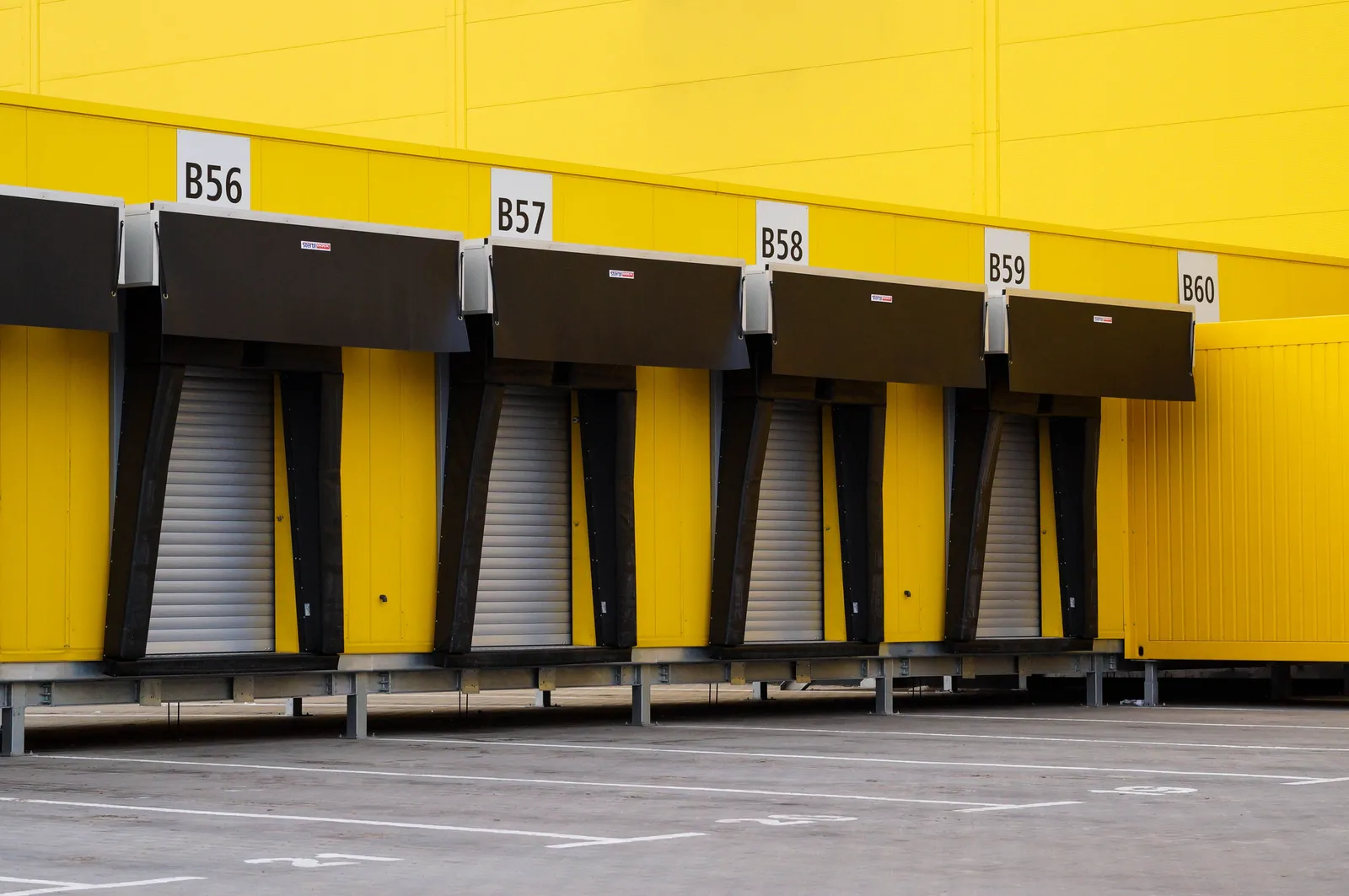
- Clear height, docks and yard: whether the building fits your operation today and in five years.
- Fire safety: sprinklers, fire compartments, and whether the building is approved for how you will use it.
- Installations: heating, lighting and electrical, with a costed multi-year maintenance plan.
Power and grid capacity
With grid congestion (netcongestie) across much of the country, the capacity of the existing connection is part of the building’s value. Check the contracted capacity, whether it transfers to you, and what the grid operator says about expanding it. If your plans depend on more power, for electric trucks, automation or cooling, this is a go/no-go item.
Turn findings into terms
Due diligence only protects you if you act on it. A material finding should lead to a lower price, a seller’s warranty, remediation before transfer, or walking away under your condition. Keep the timetable realistic too: reports take weeks, and a condition deadline that expires before they arrive protects nothing. For the full purchase process see how to buy a warehouse in the Netherlands, and for what to budget alongside the checks, the cost of buying a warehouse.
Found a building?Buy a warehouse in the Netherlands, buyer-side onlyWe coordinate the checks with your advisers and turn the findings into price and terms, on your side only. →
Frequently asked questions
How long does due diligence take when buying a warehouse?
Typically a few weeks, depending on which reports are needed and how quickly the seller provides documents. Set the due-diligence condition in the purchase agreement so the reports can realistically arrive before it expires.
Who pays for due diligence on a warehouse purchase?
The buyer, as a rule. Surveys, soil and asbestos reports, and legal and tax reviews are commissioned and paid for by the buyer, which is why they belong in the acquisition budget from the start.
What are the biggest risks when buying an older warehouse in the Netherlands?
Soil contamination, asbestos in buildings from before the 1993 ban, and insufficient grid capacity. Any one of them can cost more than the margin you negotiated on the price.