
2026-04-13
A Foreign Company’s Guide to Leasing Warehouse Space in the Netherlands
What international tenants need to know before signing a Dutch lease: indexation, service charges, and break options.
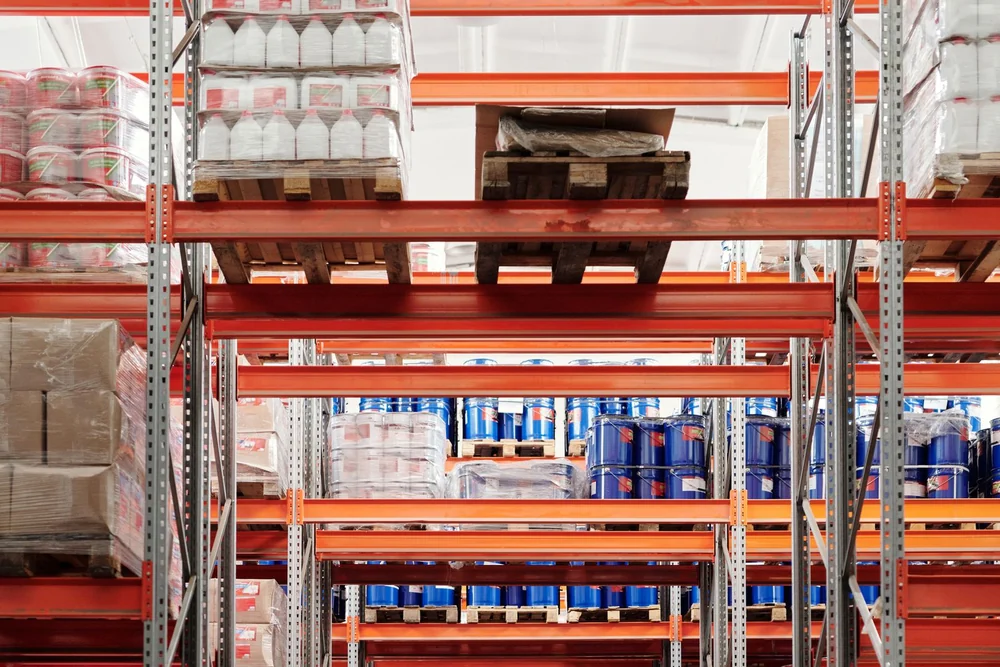
For most international distribution operations entering the Netherlands, leasing wins, on speed, flexibility and capital efficiency. Buying earns its place for specialised fit-out, scarce locations, or long-horizon sites where the arithmetic favours ownership. Most tenants default to leasing, usually rightly, but the Dutch market periodically rewards owner-occupiers, and the question deserves a real answer, not a reflex.
Build-to-suit with a forward lease, sale-and-leaseback of an acquired asset, or buying the land and leasing the building: Dutch practice supports all three. They’re negotiated cases, and they live or die on representation.
Lease until the operation is proven and the location is certain; buy when specialisation, scarcity or arithmetic says so. We support both, and we’ll show you the numbers side by side before you choose.
For most international distribution operations, leasing wins on speed, flexibility and capital efficiency. Buying earns its place for specialised fit-out, scarce locations, or stable long-horizon sites where the total-cost arithmetic favours ownership.
Often not. Institutional landlords own most modern Dutch logistics stock and rarely sell single assets to tenants, so the leasable universe is far larger than the buyable one — a key reason leasing dominates the market.
Dutch practice supports build-to-suit with a forward lease, sale-and-leaseback of an acquired asset, and buying the land while leasing the building. All are negotiated cases that depend heavily on representation.
What international tenants need to know before signing a Dutch lease: indexation, service charges, and break options.
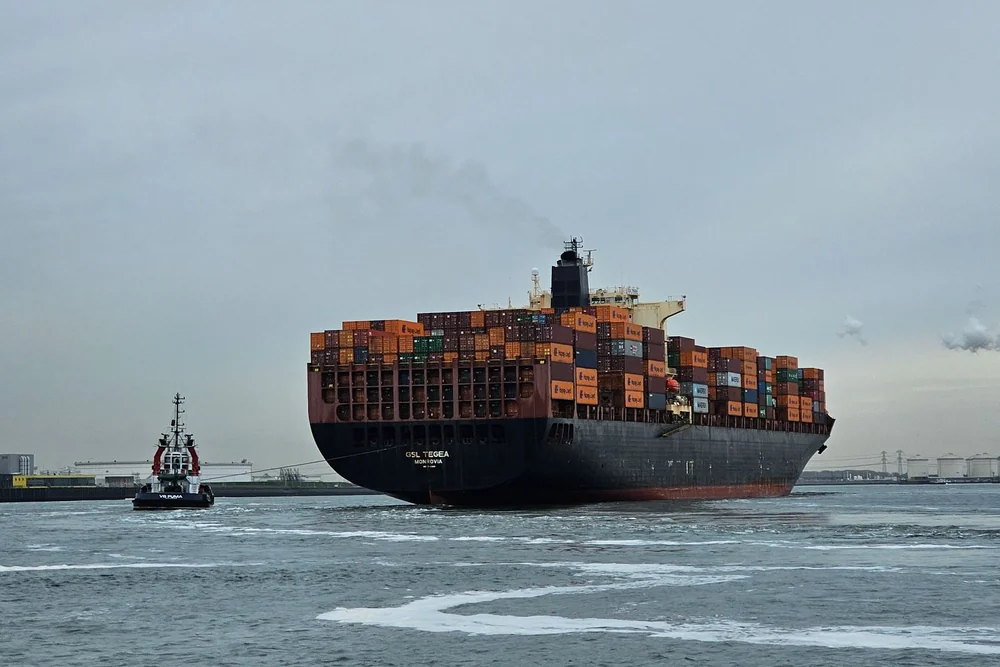
The major Dutch logistics regions compared on location, labour, transport links and availability, and how to choose between them.